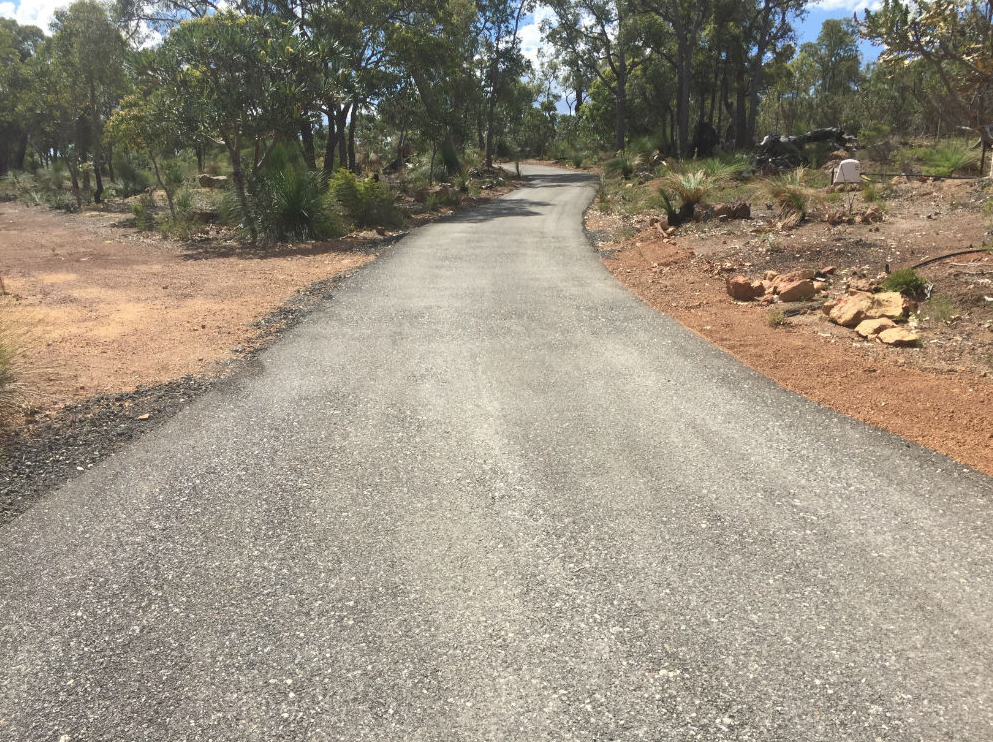
A hardstand may have been perfectly suitable when it was first constructed, but the way a property operates can change. Different machinery may be introduced, vehicle weights can increase, loading areas can move and sections that previously experienced occasional traffic may become heavily used.
When this happens, an existing hardstand may need to support loads and movements it was not originally designed to accommodate. In many cases, strengthening may be possible, but the correct approach depends on the condition of the existing pavement, the machinery being introduced and how that machinery will use the area.
At Warwick Asphalt & Bitumen Surfacing, we provide professional hardstand, asphalt and bitumen surfacing solutions throughout Warwick, QLD. Assessing both the existing pavement and its future use is an important first step in determining whether strengthening, resurfacing or more substantial reconstruction is appropriate.
Why Does Different Machinery Change Hardstand Requirements?
Not all machinery places the same demands on a pavement.
A hardstand used by relatively light vehicles experiences very different loading from one carrying heavy machinery throughout the working day. Vehicle weight is important, but it is only one consideration.
The pavement may also need to cope with:
- Concentrated wheel loads
- Repeated movements along the same route
- Tight turning
- Braking and acceleration
- Stationary machinery
- Loading and unloading
- Frequent manoeuvring
- Different tyre configurations
Understanding these operational demands helps determine whether the existing hardstand has sufficient structural capacity.
Start by Assessing the Existing Hardstand
Before considering how a hardstand could be strengthened, its current condition needs to be understood.
An apparently sound surface does not necessarily confirm that the pavement underneath is suitable for significantly heavier machinery. Likewise, an older surface showing some wear may still have sections of stable supporting pavement that can be retained.
A professional assessment can look for cracking, rutting, depressions, potholes, edge deterioration and evidence of pavement movement.
The condition of the underlying base is particularly important because this is where much of the hardstand’s structural support comes from.
The Base Is Critical to Carrying Heavier Loads
Asphalt and bitumen provide the visible working surface, but they rely on the pavement structure underneath.
When machinery travels across a hardstand, its load needs to be distributed through the pavement layers into the supporting ground. If those layers are too weak, poorly compacted or unsuitable for the new loading conditions, the surface can begin deforming.
Simply applying additional asphalt over an inadequate base does not necessarily create the required structural strength.
Where the foundation is unsuitable, affected sections may need deeper preparation or reconstruction before the hardstand can reliably accommodate different machinery.
Existing Rutting Can Reveal Structural Weakness
Wheel ruts are particularly useful indicators when assessing a hardstand for heavier use.
Rutting develops when pavement material deforms under repeated loading. If the existing hardstand is already showing wheel-track depressions, increasing machinery loads without addressing the problem could accelerate deterioration.
The depth and extent of the rutting should be investigated.
Minor surface deformation may require a different treatment from movement originating deeper within the pavement structure. Identifying where the deformation is occurring helps determine what strengthening work may be required.
Stationary Machinery Creates Concentrated Loading
A hardstand does not only need to accommodate moving vehicles.
Machinery may remain parked or operate from the same position for extended periods. These concentrated loads can place sustained pressure on relatively small areas of pavement.
If the existing hardstand was designed primarily for moving vehicles, regularly positioning heavier equipment in the same locations can create new demands.
Depressions or localised settlement may eventually develop where the pavement lacks sufficient support.
Planning should therefore consider where machinery will be parked and operated, not just the routes it will travel.
Turning Areas Often Need Additional Attention
Turning and manoeuvring can be particularly demanding on hardstand surfaces.
As machinery changes direction, tyres apply forces across the pavement as well as vertically through it. Frequent tight turns can therefore increase surface stress.
Entrances, loading zones and designated turning areas may experience substantially more wear than sections where vehicles travel in relatively straight lines.
When strengthening an existing hardstand, these high-demand areas should be identified so they can receive appropriate preparation.
Drainage Still Matters When Strengthening a Hardstand
Increasing pavement strength without addressing poor drainage can leave an important weakness unresolved.
Water can enter through cracks and damaged areas, potentially weakening the supporting pavement. Standing water can also indicate settlement or inadequate surface falls.
Before strengthening work begins, the hardstand should be assessed for drainage issues such as low areas, recurring puddles and runoff affecting pavement edges.
Where necessary, correcting pavement levels and water movement can form part of the preparation.
A strong hardstand still depends on keeping its supporting materials stable.
Localised Strengthening May Be Possible
Different machinery does not necessarily use every part of a hardstand equally.
In some situations, only specific sections experience substantially increased loads. Machinery may follow defined travel paths, use particular loading zones or remain within designated operating areas.
Where the surrounding pavement remains suitable, these high-demand sections may be candidates for more substantial preparation or reconstruction without necessarily rebuilding the entire hardstand.
The suitability of this approach depends on the existing pavement structure and how loads are distributed across the site.
What If the Existing Surface Is Generally Sound?
A hardstand can sometimes have a stable foundation while its surface has become worn.
If assessment shows that the pavement structure remains suitable for the intended machinery, repairs and resurfacing may be considered to renew the working surface.
Existing potholes, cracks and unstable areas should be addressed beforehand.
Resurfacing can improve consistency and restore a worn surface, but it should only be used where the pavement underneath has adequate capacity for the proposed use.
It is a surface renewal solution rather than a substitute for necessary structural strengthening.
What If Parts of the Hardstand Have Already Failed?
Cracking, potholes and depressions should be investigated before machinery demands increase.
A failed section may need to be opened so unstable pavement material can be removed. Suitable materials can then be installed, graded and compacted before the surface is reinstated.
This provides an opportunity to strengthen areas that are already demonstrating inadequate support.
Covering failed sections without addressing the weakness underneath can allow deterioration to return when heavier machinery begins using the hardstand.
Edge Strength Can Become More Important
Machinery movements can also place additional pressure on hardstand edges.
If vehicles regularly travel close to the pavement boundary, unsupported asphalt or bitumen can begin cracking and breaking away.
This can be particularly significant if larger machinery requires more of the available pavement width.
Existing edge deterioration should therefore be assessed alongside the central pavement. Restoring suitable support can help prevent damage progressively moving further into the hardstand.
Future Traffic Patterns Should Be Planned Before Work Begins
Strengthening a hardstand should ideally account for how the site will operate after the machinery changes.
It is useful to identify where equipment will enter, travel, turn, stop and operate.
This can reveal sections likely to experience greater pavement stress.
Planning around actual traffic patterns allows attention to be focused on the parts of the hardstand that need it most, rather than treating the entire area as though every section experiences identical loading.
Signs Your Existing Hardstand May Need Attention
If machinery requirements are changing, several existing pavement conditions deserve investigation before heavier or different equipment is introduced.
These include increasing wheel ruts, cracking around turning areas, depressions beneath regularly parked equipment, recurring potholes, crumbling edges and water pooling in low sections.
Repeated repairs in the same locations can also indicate that the pavement underneath is struggling with existing loads.
Identifying these weaknesses before traffic demands increase can provide a clearer picture of the strengthening work required.
Why Compaction Matters
Compaction is fundamental when rebuilding or strengthening pavement layers.
New material needs to form a dense and stable foundation capable of distributing machinery loads effectively. Poorly compacted areas can settle under traffic, creating movement beneath the finished surface.
This can lead to depressions, cracking and water collection.
Professional pavement preparation therefore focuses on the structural condition beneath the asphalt or bitumen as much as the quality of the final surface.
The Right Solution Depends on the Machinery and the Pavement
There is no single hardstand specification suitable for every type of machinery.
A useful assessment considers the relationship between the existing pavement and its future operational demands.
Where the hardstand remains structurally suitable, targeted repairs or resurfacing may be sufficient. Where specific areas require greater capacity, localised strengthening may be appropriate. If the supporting pavement is extensively inadequate for the proposed machinery, more substantial reconstruction may be necessary.
The objective is to match the pavement to the way the hardstand will actually be used.
Professional Assessment Helps Avoid Surface-Only Solutions
When a hardstand needs to accommodate different machinery, simply making the surface thicker or placing new asphalt over existing deterioration may not address the real requirement.
An experienced surfacing contractor can assess pavement condition, base stability, drainage, traffic movements, turning areas and expected loading before recommending an appropriate approach.
For hardstands in Warwick, QLD, this provides a practical basis for determining where the existing pavement can be retained and where additional strengthening or reconstruction may be required.
Conclusion
An existing hardstand can often be adapted for different machinery, but the correct approach depends on its current condition and the loads it will need to support. Machinery weight, wheel loading, stationary loads, turning movements and traffic frequency can all influence pavement requirements.
The supporting base is particularly important. Resurfacing can renew a worn hardstand when the underlying pavement remains suitable, but it cannot compensate for a foundation that lacks the structural capacity required for heavier use. Weak sections may need to be repaired, strengthened or reconstructed before the final asphalt or bitumen surface is installed.
Warwick Asphalt & Bitumen Surfacing provides professional hardstand construction, pavement preparation, repairs and surfacing throughout Warwick, QLD. If your hardstand needs to accommodate different machinery or changing operational requirements, contact our team to arrange an assessment and discuss an appropriate pavement solution for the way your site is used.
Call us on: 07 5230 8325
Click here to find out more about Warwick Asphalt & Bitumen Surfacing
Click here to complete our contact form and see how we can help with your Asphalt and Bitumen Surfacing needs.